Understanding Ductless HVAC Systems in Conroe’s Climate
Ductless HVAC systems have become increasingly popular throughout Conroe, TX, offering homeowners and business owners flexible climate control solutions without the need for extensive ductwork. These systems, also known as mini-splits, require specialized maintenance approaches that differ significantly from traditional central air conditioning units. At ATS Mechanical Services LLC, we’ve developed comprehensive maintenance protocols specifically designed for the unique demands that Southeast Texas weather places on ductless systems, from the intense summer heat to the occasional winter cold snaps that can catch unprepared systems off guard.
The subtropical climate of Conroe presents particular challenges for ductless systems that operate year-round. High humidity levels averaging 74% annually mean these units work harder to dehumidify indoor spaces while maintaining comfortable temperatures. Our 31 years of air conditioning and heating knowledge serving both residential and commercial customers has taught us that proactive maintenance becomes even more critical in this environment. Regular maintenance not only extends equipment lifespan but also ensures optimal energy efficiency, which becomes particularly important when cooling costs can account for up to 70% of summer electricity bills in the region.
Essential Maintenance Components for Ductless Systems
The maintenance requirements for ductless HVAC systems involve several critical components that demand regular attention. The indoor air handling units contain sophisticated filtration systems that capture airborne particles, allergens, and contaminants. These filters require cleaning or replacement every 30 to 60 days during peak usage periods, though this frequency may increase in homes with pets or in commercial environments with higher occupancy rates. Beyond basic filter maintenance, the evaporator coils inside each indoor unit accumulate dust and biological growth, particularly in Conroe’s humid environment where mold and mildew thrive without proper attention.
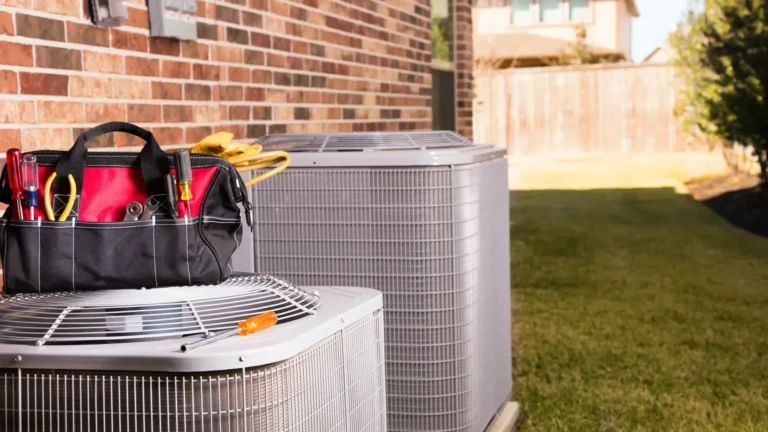
The outdoor condensing units face their own set of maintenance challenges, especially considering the local environmental factors. Pine pollen, which blankets the area heavily during spring months, can clog condenser coils and reduce heat transfer efficiency by up to 30%. Regular coil cleaning involves careful application of specialized cleaning solutions that remove buildup without damaging the delicate aluminum fins. The 200 hours of training our employees go through each year keeps us sharp and updated with the newest technologies from all manufacturers, ensuring we understand the specific maintenance requirements for each brand and model we service.
Seasonal Maintenance Protocols
Spring maintenance in Conroe focuses on preparing ductless systems for the demanding cooling season ahead. This includes comprehensive cleaning of both indoor and outdoor units, checking refrigerant levels, and testing all electronic components. We inspect the condensate drainage systems extensively, as the transition from heating to cooling mode can reveal blockages that developed during winter months. Electrical connections require torque testing to manufacturer specifications, as thermal expansion and contraction during temperature swings can loosen connections, leading to efficiency losses or potential safety hazards.
Fall maintenance shifts focus toward ensuring reliable operation during the variable weather patterns common to the region. This includes verifying proper heat pump operation for those mild winter days when heating becomes necessary. We calibrate thermostats and check communication between indoor units and outdoor condensers, as wireless communication systems can experience interference from environmental factors. The reversing valve in heat pump models receives particular attention, as this component’s proper operation determines whether the system can effectively switch between heating and cooling modes.
Advanced Diagnostics and Performance Optimization
Modern ductless systems incorporate sophisticated diagnostic capabilities that allow us to identify potential issues before they result in system failures. Through digital manifold gauges and thermal imaging cameras, we measure superheat and subcooling values to ensure refrigerant charge accuracy within manufacturer tolerances. These measurements become particularly important in multi-zone systems where improper refrigerant distribution can cause some rooms to receive inadequate cooling while others become uncomfortably cold.
Performance optimization extends beyond basic mechanical maintenance to include airflow analysis and system balancing. Each indoor unit’s fan motor requires periodic inspection and lubrication, while the louvers that direct airflow need adjustment to ensure proper air distribution throughout the space. We utilize anemometers to measure actual airflow rates and compare them against manufacturer specifications, making adjustments to fan speeds and static pressure settings as needed to achieve optimal comfort and efficiency.
Common Issues and Preventive Strategies
The most frequent maintenance issues we encounter with ductless systems in Conroe relate to inadequate cleaning and deferred maintenance.
- Frozen evaporator coils: Often result from restricted airflow due to dirty filters or blocked return air paths
- Water leaks: Typically caused by clogged condensate lines or improperly pitched drain pans
- Reduced cooling capacity: Usually stems from dirty condenser coils or low refrigerant levels due to minor leaks
Implementing preventive strategies significantly reduces the likelihood of these issues developing into major repairs. We recommend establishing maintenance schedules based on usage patterns and environmental factors specific to each installation. Commercial properties with continuous operation require quarterly maintenance visits, while residential systems typically perform well with biannual service. However, properties near construction sites or agricultural areas may need more frequent filter changes and coil cleanings due to increased airborne particulates.
Energy Efficiency and Cost Savings Through Proper Maintenance
Regular maintenance directly impacts the energy efficiency of ductless HVAC systems, with properly maintained units consuming up to 25% less electricity than neglected systems. In Conroe’s climate, where air conditioning operates for approximately 2,800 hours annually, this efficiency difference translates to substantial cost savings. We perform detailed efficiency calculations during maintenance visits, measuring actual energy consumption against rated specifications to identify opportunities for improvement.
The inverter technology in modern ductless systems requires specific maintenance attention to maintain peak efficiency. These variable-speed compressors adjust output based on cooling demand, but accumulated dirt and wear can cause them to operate at higher speeds than necessary, increasing energy consumption. Our maintenance protocols include cleaning and testing inverter boards, checking capacitor values, and verifying proper voltage supply to ensure these sophisticated components operate within optimal parameters. By maintaining proper refrigerant charge and clean heat exchange surfaces, we help these systems achieve their rated SEER ratings of 20 or higher, significantly reducing operating costs compared to older conventional systems averaging 13 SEER in the Conroe area.