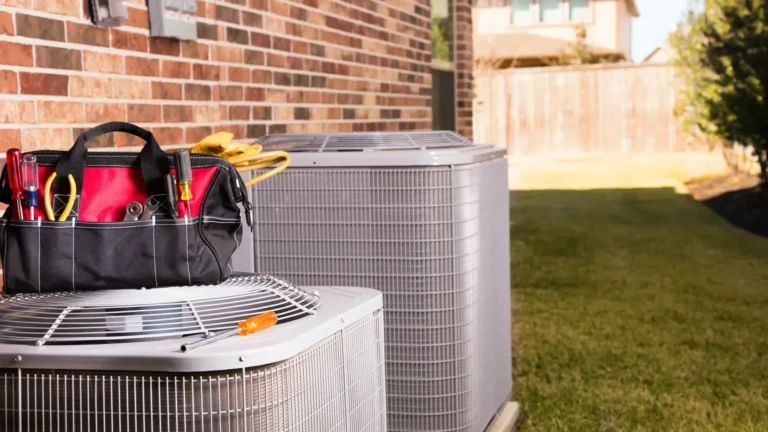
HVAC Solutions for Office Buildings
Office buildings present some of the most complex and demanding environments for heating, ventilation, and air conditioning systems. Unlike residential properties where a single family controls the thermostat, commercial office spaces must accommodate dozens or even hundreds of occupants, each with different comfort preferences, across multiple zones and floor plans. At ATS Mechanical Services LLC, we bring 31 years of air conditioning and heating knowledge to every commercial HVAC project we undertake, ensuring that office environments throughout Cypress, TX, Klein, TX, Spring, TX, The Woodlands, TX, and Tomball, TX operate at peak comfort and efficiency year-round.
The North Houston region experiences intense summers where temperatures regularly exceed 95 degrees Fahrenheit, combined with humidity levels that can push heat indexes even higher. For office buildings, this means HVAC systems are not just a convenience but an absolute operational necessity. A failed or underperforming system can lead to lost productivity, employee dissatisfaction, tenant complaints, and even health concerns related to poor indoor air quality. Our team understands these stakes, and we approach every office building project with the precision and urgency it demands.
Understanding Office Building HVAC Requirements
Office buildings differ fundamentally from residential or retail spaces in their HVAC demands. Occupancy density is typically much higher, with commercial buildings averaging between three and ten people per thousand square feet depending on the office layout. Each person generates approximately 250 BTUs of heat per hour through normal activity, and when you factor in computers, printers, lighting, and server rooms, the internal heat load of a modern office can be substantial. These factors mean that cooling demands in office environments often remain high even during transitional seasons when outdoor temperatures are moderate.
Ventilation requirements add another layer of complexity. ASHRAE Standard 62.1 establishes minimum ventilation rates for acceptable indoor air quality in commercial buildings, requiring specific amounts of outdoor air per person and per square foot of floor area. Meeting these standards while maintaining energy efficiency requires careful system design, proper equipment selection, and ongoing maintenance. We factor all of these variables into our assessments when designing, installing, or servicing HVAC systems for office properties in the greater North Houston area.
System Types and Configurations for Commercial Office Spaces
The type of HVAC system best suited for an office building depends on the structure’s size, layout, age, and specific operational needs. Smaller office buildings under 25,000 square feet often perform well with rooftop units or split systems that provide zoned heating and cooling. Mid-rise and larger office buildings typically require more sophisticated approaches such as variable air volume systems, chilled water systems, or variable refrigerant flow technology. Each approach has distinct advantages in terms of energy efficiency, zone control capability, installation cost, and maintenance requirements.
Variable refrigerant flow systems have gained significant traction in the commercial HVAC market over the past decade. These systems use refrigerant as the heating and cooling medium and can simultaneously heat some zones while cooling others, making them ideal for office buildings where sun exposure varies dramatically between the north and south sides of the structure. The 200 hours of training our employees go through each year keeps us sharp and updated with the newest technologies from all manufacturers, including the rapidly evolving VRF product lines that are transforming commercial HVAC design.
Energy Efficiency and Operating Cost Management
HVAC systems typically account for 40 to 60 percent of total energy consumption in commercial office buildings, making system efficiency one of the most impactful factors in operating budgets. Building owners and property managers across The Woodlands, Tomball, and surrounding communities are increasingly focused on reducing energy costs while maintaining or improving occupant comfort. Several strategies can dramatically improve efficiency in office building HVAC operations.
- Building automation systems integrate HVAC controls with occupancy sensors, scheduling software, and weather data to optimize system performance automatically throughout the day
- Demand-controlled ventilation uses CO2 sensors to adjust outdoor air intake based on actual occupancy rather than running at maximum ventilation capacity at all times
- Economizer cycles leverage cool outdoor air for free cooling when ambient temperatures drop below setpoints, reducing compressor runtime significantly during spring and fall months
- Variable speed drives on fans and pumps adjust motor speeds to match actual load conditions rather than operating at full capacity continuously
- Regular preventive maintenance ensures that coils remain clean, refrigerant charges stay correct, and airflow is unobstructed, preventing the gradual efficiency degradation that plagues neglected systems
Studies from the Department of Energy indicate that commercial buildings with well-maintained HVAC systems and modern controls can reduce energy consumption by 20 to 40 percent compared to buildings running older, poorly maintained equipment. These savings translate directly to the bottom line for building owners and make a compelling case for investing in quality HVAC service and upgrades.
Indoor Air Quality in the Modern Office
The conversation around indoor air quality in office buildings has intensified dramatically in recent years. Building occupants are more aware than ever of the air they breathe, and employers recognize that poor indoor air quality can increase sick days, reduce cognitive performance, and lower overall productivity. Research from Harvard’s School of Public Health found that workers in well-ventilated offices with low pollutant levels scored 61 percent higher on cognitive function tests compared to those in conventional office environments.
Addressing indoor air quality requires a multi-faceted approach. Proper filtration is foundational, with MERV 13 filters now widely recommended as a minimum standard for commercial office buildings. Beyond filtration, strategies such as UV germicidal irradiation within air handling units, bipolar ionization systems, and enhanced outdoor air ventilation all contribute to healthier indoor environments. We work with office building owners and facility managers to evaluate existing systems and implement practical air quality improvements that align with both health objectives and budget realities.
Preventive Maintenance Programs for Office Buildings
Commercial HVAC systems in office buildings operate under demanding conditions, often running 10 to 14 hours per day during peak seasons. Without consistent preventive maintenance, these systems experience accelerated wear, declining efficiency, and unexpected failures that can disrupt business operations. A structured maintenance program is not an optional luxury for office buildings but rather an essential component of responsible facility management.
Our maintenance programs for office buildings include comprehensive inspections of all mechanical components, refrigerant level verification, electrical connection testing, coil cleaning, belt inspection and replacement, drain line clearing, thermostat calibration, and control system verification. We document all findings and provide detailed reports that help building owners plan for future capital expenditures and avoid costly emergency repairs. Serving both residential and commercial customers throughout the North Houston area, we understand that every building type demands a tailored approach to service.
Emergency Repair and Rapid Response
When an HVAC system fails in an office building during a Texas summer, the situation escalates quickly. Interior temperatures can climb to uncomfortable and even unsafe levels within hours, and tenants rightfully expect immediate resolution. As North Houston’s most trusted HVAC repair and replacement service, we prioritize rapid response for commercial emergency calls because we understand what is at stake for building owners and their tenants.
Our technicians arrive equipped to diagnose and resolve the most common commercial HVAC failures on the first visit whenever possible. From compressor failures and refrigerant leaks to control board malfunctions and blower motor replacements, our team’s extensive training and field experience enable efficient troubleshooting and repair. This knowledge serves our existing and future customers well in our ability to make them comfortable, whether we are handling a routine AC installation or responding to a critical system failure in a multi-story office building. We remain committed to keeping the offices of Cypress, Klein, Spring, The Woodlands, and Tomball comfortable, efficient, and healthy throughout every season.