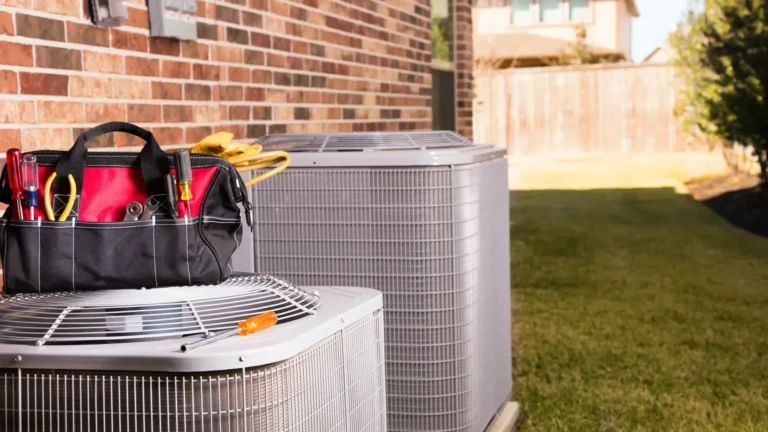
Understanding Your HVAC System’s Basic Maintenance Needs
Maintaining your heating and air conditioning system doesn’t require professional expertise for every task. With the right tools and knowledge, you can perform essential maintenance that keeps your system running efficiently between professional service visits. At ATS Mechanical Heating & AC, we’ve spent 31 years helping homeowners in Cypress, Klein, Spring, The Woodlands, and Tomball understand their HVAC systems better. Through our experience serving both residential and commercial customers, we’ve identified the most valuable tools every homeowner should have to perform basic maintenance safely and effectively.
Regular maintenance extends your system’s lifespan, improves energy efficiency, and prevents costly breakdowns. Industry data shows that properly maintained HVAC systems can last 15-20 years, while neglected systems often fail within 10-12 years. The investment in proper tools pays for itself through reduced energy bills and fewer emergency repair calls. Our technicians, who undergo 200 hours of training annually to stay current with the newest technologies from all manufacturers, consistently recommend these essential tools to homeowners serious about system maintenance.
Temperature and Airflow Measurement Tools
A quality digital thermometer represents your first line of defense in HVAC maintenance. Unlike basic models, HVAC-specific thermometers feature extended probes that reach into ductwork and can measure both ambient and surface temperatures. Look for models with temperature ranges from -50°F to 1000°F and accuracy within 1-2 degrees. These thermometers help you verify proper temperature differentials between supply and return air, typically 15-20 degrees for cooling and 30-40 degrees for heating modes.
An anemometer measures airflow velocity, crucial for identifying restrictions in your ductwork or problems with fan operation. Digital vane anemometers provide readings in feet per minute (FPM) and help determine if your system delivers adequate airflow to each room. Standard residential systems should move 350-400 cubic feet per minute (CFM) per ton of cooling capacity. When airflow drops below these levels, your system works harder, consuming more energy while providing less comfort.
Electrical Testing Equipment
A non-contact voltage tester should be your constant companion when working near any HVAC equipment. These pen-style devices detect electrical current without touching wires, preventing potentially fatal accidents. Choose models rated for at least 1000 volts AC with both audible and visual indicators. Before any maintenance task, use this tool to verify power is completely disconnected at both the thermostat and the electrical disconnect box near your outdoor unit.
Multimeters provide detailed electrical measurements essential for diagnosing many HVAC issues. Digital multimeters can test voltage, resistance, and continuity in electrical circuits. Key features include auto-ranging capability, true RMS measurement for accurate AC voltage readings, and safety ratings of at least CAT III 600V. With proper training, homeowners can use multimeters to test capacitors, check for proper voltage at contactors, and verify thermostat wiring connections.
Cleaning and Maintenance Essentials
- Coil cleaning brushes: Soft-bristle brushes specifically designed for aluminum fins prevent damage while removing debris
- Fin combs: These specialized tools straighten bent condenser and evaporator fins, restoring proper airflow
- Condensate drain cleaning tools: Flexible brushes and wet/dry vacuum attachments clear algae and debris from drain lines
- HVAC coil cleaner: No-rinse foaming cleaners designed for indoor evaporator coils remove accumulated dirt without damaging components
Professional-grade vacuum gauges help verify proper refrigerant charge without adding or removing refrigerant, a task requiring EPA certification. These gauges attach to service ports and display system pressures, helping identify potential refrigerant leaks or charge issues before they cause compressor damage. Digital manifold gauges provide temperature-compensated readings and can store data for tracking system performance over time.
Safety Equipment and Protective Gear
Safety glasses with side shields protect against debris, refrigerant spray, and cleaning chemicals. Choose ANSI Z87.1-rated glasses with anti-fog coating for clear vision in humid conditions. Heavy-duty work gloves protect hands from sharp metal edges, hot surfaces, and electrical components while maintaining dexterity for detailed work. Nitrile-coated gloves offer excellent grip and puncture resistance.
Knee pads become essential when servicing equipment in attics, crawl spaces, or at ground level. Professional-grade gel knee pads distribute weight evenly and include adjustable straps that won’t restrict circulation during extended work periods. A quality LED headlamp provides hands-free illumination in dark mechanical spaces, with models offering 300+ lumens and multiple beam patterns proving most versatile.
Building Your Maintenance Kit
Start with basic tools and gradually add specialized equipment as your skills develop. A complete starter kit costs approximately $200-300 and includes a digital thermometer, non-contact voltage tester, basic multimeter, cleaning brushes, safety glasses, and gloves. Store tools in a dedicated toolbox or bag to keep them organized and readily available. Regular tool maintenance, including battery replacement and calibration checks, ensures accurate measurements and safe operation when you need them most.