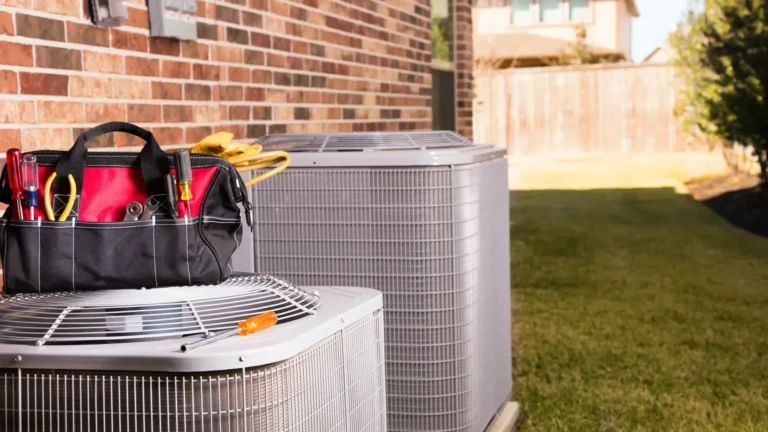
Understanding the Critical Nature of HVAC Emergency Preparedness
When extreme weather strikes the Greater Houston area, including Cypress, Klein, Spring, The Woodlands, and Tomball, your heating and cooling systems become more than just comfort providers—they transform into essential life-safety equipment. At ATS Mechanical Heating & AC, we’ve witnessed firsthand how unexpected HVAC failures during temperature extremes can quickly escalate from inconvenience to genuine emergency. Our 31 years of air conditioning and heating knowledge serving both residential and commercial customers has taught us that proactive planning makes the difference between a manageable situation and a crisis.
The increasing frequency of extreme weather events across Texas has made emergency response planning for HVAC systems a necessity rather than a precaution. Recent industry data shows that HVAC system failures increase by up to 40% during extreme temperature events, primarily due to systems operating beyond their design capacity for extended periods. These statistics underscore why we emphasize comprehensive emergency planning as part of our AC service approach, ensuring our clients maintain operational continuity when environmental conditions become challenging.
Building Your HVAC Emergency Response Framework
Creating an effective emergency response plan begins with documenting your system’s specifications, maintenance history, and critical operational parameters. We recommend maintaining detailed records of your equipment model numbers, installation dates, warranty information, and service provider contacts in both digital and physical formats. This documentation proves invaluable when rapid decisions are necessary during system failures. Our technicians, who undergo 200 hours of training each year to stay updated with the newest technologies from all manufacturers, consistently emphasize that readily available system information can reduce emergency response time by up to 50%.
Your emergency framework should establish clear communication protocols and decision-making hierarchies. Designate primary and backup personnel responsible for initiating emergency procedures, contacting service providers, and making critical operational decisions. For commercial properties, this includes identifying which building areas require priority climate control—such as server rooms, medical facilities, or sensitive inventory storage areas. Residential plans should prioritize spaces where vulnerable family members spend time, including rooms occupied by elderly residents, infants, or individuals with health conditions requiring stable temperatures.
Essential Components of Your Emergency Action Plan
- System Assessment Protocols: Establish regular inspection schedules that increase in frequency before anticipated extreme weather events, checking refrigerant levels, electrical connections, and mechanical components
- Backup Power Solutions: Identify and test alternative power sources including portable generators, ensuring proper connection points and adequate fuel supplies are maintained
- Temporary Climate Control Options: Maintain inventory of portable heating and cooling units, along with necessary adapters and extension cords for emergency deployment
The financial impact of inadequate emergency planning extends beyond immediate repair costs. Industry analysis reveals that businesses experiencing HVAC failures during extreme weather face average productivity losses of $5,000 to $50,000 per day, depending on facility size and operational requirements. These figures don’t account for potential inventory damage, equipment failures in temperature-sensitive environments, or the long-term effects on employee morale and customer satisfaction.
Implementing Preventive Measures and Early Warning Systems
Advanced monitoring technology now enables predictive maintenance strategies that identify potential failures before they occur. Smart thermostats and building automation systems can track performance metrics, alerting facility managers to unusual patterns indicating impending problems. We recommend establishing baseline performance parameters during normal operating conditions, then programming alerts for deviations exceeding predetermined thresholds. These systems typically detect issues such as declining efficiency, unusual cycling patterns, or temperature inconsistencies that suggest developing problems.
Regular AC repair and maintenance schedules become particularly crucial as extreme weather seasons approach. Our experience shows that systems receiving professional maintenance twice annually experience 60% fewer emergency failures than neglected equipment. This preventive approach includes comprehensive inspections of electrical components, refrigerant charge verification, coil cleaning, and mechanical lubrication. During these service visits, technicians can identify wear patterns suggesting components nearing failure, allowing proactive replacement before emergency situations develop.
Response Activation and Recovery Procedures
When HVAC failure occurs during extreme weather, immediate response activation prevents situation escalation. Your plan should outline specific triggers for emergency protocol initiation, including temperature thresholds, equipment failure indicators, and weather forecast parameters. Establish partnerships with reliable air conditioning installation and service providers who offer emergency response capabilities, ensuring priority service agreements are documented and contact information remains current.
Recovery procedures should address both immediate stabilization and long-term system restoration. Temporary solutions might include strategic space consolidation, reducing occupied areas requiring climate control while permanent repairs are completed. For businesses, this could mean temporarily relocating operations or adjusting schedules to minimize extreme weather exposure. The recovery phase also presents opportunities for system upgrades, potentially improving efficiency and reliability beyond pre-failure conditions while ensuring your HVAC installation meets current code requirements and incorporates latest technological advances for enhanced future resilience.