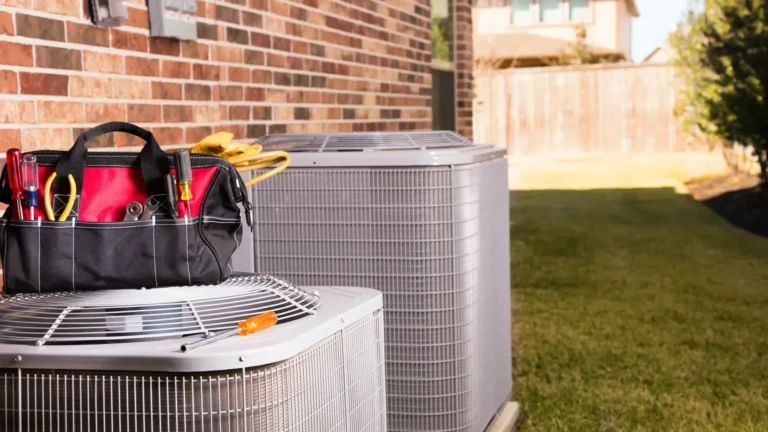
How Extreme Heat and Cold Snap Events Force HVAC Systems to Work Harder Than They Were Designed For
Across Cypress, Klein, Spring, The Woodlands, and Tomball, weather patterns have become increasingly unpredictable. Triple-digit summer afternoons can stretch for weeks, and sudden Arctic blasts now plunge temperatures into the teens with little warning. For the heating and cooling equipment inside your home or commercial property, these events represent operating conditions that fall well outside the design parameters most manufacturers planned for when engineering the units.
At ATS Mechanical Heating & AC, we draw on 31 years of air conditioning and heating knowledge serving both residential and commercial customers throughout the greater Houston area. That experience, combined with the 200 hours of training our employees go through each year to stay current with the newest technologies from all manufacturers, gives us a clear understanding of why systems fail during weather extremes and how to protect yours before the next event arrives.
Understanding the Design Limits of Residential and Commercial HVAC Equipment
Most central air conditioners sold in Texas are rated to perform efficiently when outdoor temperatures fall between roughly 65 and 95 degrees Fahrenheit. When the mercury climbs to 105 or higher, the refrigerant cycle has to fight against a much smaller temperature differential between the condenser coil and the ambient air. The compressor runs longer, draws more electrical current, and produces less usable cooling per kilowatt consumed.
Heat pumps and gas furnaces face the opposite challenge during cold snaps. A heat pump loses efficiency rapidly below 35 degrees, and emergency electric strip heat kicks in to compensate, dramatically increasing energy consumption. Gas furnaces, while less affected by outdoor temperature, often run nearly continuously during a hard freeze, exposing heat exchangers, igniters, and blower motors to thermal stress they only encounter a handful of days each year.
The Mechanical Toll of Marathon Run Times
When equipment operates at maximum capacity for hours or even days at a time, the cumulative wear accelerates dramatically. Bearings overheat, capacitors weaken, contactors pit and burn, and refrigerant lines expand and contract more aggressively than usual. What might have been a slow ten-year decline can compress into a single brutal summer or winter week.
We routinely see specific failure patterns tied directly to extreme weather events. These include the following common issues:
- Compressor lockout from thermal overload which occurs when internal temperatures exceed safe operating thresholds and the unit shuts down to protect itself
- Frozen evaporator coils caused by undersized return air ducts struggling to feed an overworked system or by low refrigerant charge becoming apparent only under peak load
- Cracked heat exchangers in furnaces that have run continuously for days creating dangerous carbon monoxide leak potential
Why Sizing and Installation Quality Matter More Than Ever
A system that was marginally undersized for the home it serves may have performed adequately during typical summers but cannot keep up during a heat dome event. Likewise, ductwork that leaks 20 to 30 percent of conditioned air into attic spaces becomes a critical liability when every BTU counts. Proper Manual J load calculations, correct refrigerant charge, sealed and insulated ductwork, and matched indoor and outdoor components all contribute to a system’s ability to ride out extreme weather without catastrophic failure.
Many of the emergency calls we respond to during weather events trace back to installation shortcuts taken years earlier. Replacing a failed condenser without verifying that the evaporator coil matches, or skipping a static pressure test after a furnace swap, creates hidden inefficiencies that only reveal themselves under stress.
Practical Steps Homeowners and Property Managers Can Take
Preparation makes the difference between a comfortable ride through an extreme weather event and an expensive emergency repair. Seasonal tune-ups performed before peak demand seasons allow our technicians to catch weak capacitors, refrigerant issues, and electrical problems while temperatures still allow for unhurried diagnostics and parts ordering.
Consider implementing these protective measures well in advance of forecast extremes:
- Schedule biannual preventive maintenance with comprehensive system inspections in spring and fall before peak loads arrive
- Upgrade to a variable-speed or two-stage system when replacement time arrives because these handle extreme conditions far better than single-stage equipment
- Address duct leakage and attic insulation because building envelope improvements reduce the load your HVAC system must overcome
Partnering with ATS Mechanical Heating & AC for Long-Term Comfort
Weather extremes will continue testing equipment across our service area. Whether you need HVAC repair, heater repair, AC repair, or AC installation in Cypress, Klein, Spring, The Woodlands, or Tomball, our team brings three decades of accumulated expertise and constantly refreshed technical training to every service call. Reach out to discuss how your current system will perform when the next extreme event arrives and what steps will keep your family or business comfortable through it.