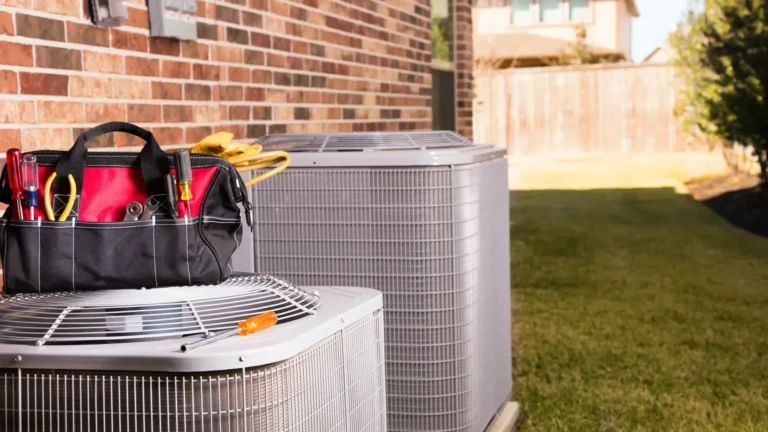
Understanding Your HVAC System’s Language of Distress
Your heating and cooling system communicates through sounds and smells, and ignoring these signals can lead to expensive repairs or complete system failure. At ATS Mechanical Heating & AC, we’ve spent 31 years serving residential and commercial customers across Cypress, Klein, Spring, The Woodlands, and Tomball, TX, learning to interpret these warning signs before they become major problems. When your HVAC system starts making unusual noises or producing strange odors, it’s essentially crying out for attention, much like a check engine light in your car.
These warning signs often start subtly and progressively worsen over time. A slight grinding noise during startup might evolve into a constant metallic screech, while a faint musty smell could intensify into an overwhelming odor throughout your home. Our technicians undergo 200 hours of training annually to stay current with the newest technologies from all manufacturers, enabling us to quickly diagnose these symptoms and implement effective solutions before minor issues escalate into system-wide failures.
Decoding Dangerous Sounds from Your HVAC System
Different sounds indicate different problems within your heating and cooling system. A high-pitched squealing typically points to belt issues in older systems or bearing problems in newer direct-drive motors. These components experience constant friction during operation, and without proper lubrication or when worn beyond their service life, they produce distinctive warning sounds. Ignoring squealing can result in motor seizure, potentially causing damage that extends beyond just the motor itself, affecting connected components and dramatically increasing repair costs.
Banging or clanking sounds often indicate loose or broken internal components. These might include a disconnected ductwork section, a loose blower wheel, or damaged fan blades striking the housing. Each impact causes additional damage, creating a cascade effect that can destroy multiple components. During our AC service calls, we frequently encounter systems where a simple loose screw evolved into thousands of dollars in damage because the initial warning sounds were dismissed as “just noise.”
Clicking sounds during startup are normal, but continuous clicking throughout operation suggests electrical issues. Failing capacitors, malfunctioning relays, or deteriorating contactors produce these rhythmic clicks. Electrical problems pose serious risks beyond system damage, including potential fire hazards. The electrical components in your HVAC system handle significant voltage and amperage, making prompt attention to clicking sounds essential for both system preservation and home safety.
Identifying Hazardous Odors and Their Sources
Burning smells from your HVAC system demand immediate attention and often require shutting down the system entirely. Electrical burning odors indicate overheating components, melting wire insulation, or failing motors drawing excessive current. These situations can rapidly escalate from component failure to electrical fires within your walls or mechanical spaces. During air conditioning installation projects, we emphasize proper electrical sizing and protection specifically to prevent these dangerous scenarios.
Musty or mildew odors signal moisture problems within your system, typically indicating mold or bacterial growth in ductwork, drain pans, or evaporator coils. These biological contaminants don’t just smell unpleasant; they actively compromise indoor air quality and can trigger respiratory issues, allergies, and other health problems. The warm, moist environment inside HVAC systems provides ideal conditions for microbial growth, especially in our humid Texas climate where systems work harder to remove moisture from indoor air.
Chemical and Gas-Related Warning Smells
- Rotten egg smell: indicates a potential gas leak requiring immediate evacuation and emergency service
- Sweet, chloroform-like odor: suggests refrigerant leaks that reduce cooling efficiency and pose environmental hazards
- Ozone or sharp metallic smell: points to electrical arcing or overheating electronic components
- Oil or exhaust fumes: indicate combustion problems in heating systems or oil leaks from compressors
Prevention Through Professional Maintenance
Regular HVAC installation and maintenance programs prevent most sound and smell issues before they develop. During routine maintenance visits, we inspect belts, lubricate moving parts, clean coils and drain lines, test electrical connections, and verify proper refrigerant levels. This proactive approach identifies wear patterns and developing problems while solutions remain simple and affordable. Our comprehensive AC repair and maintenance services have consistently demonstrated that systems receiving regular professional attention experience fewer emergency breakdowns and maintain higher efficiency levels throughout their operational lifespan.
Early detection and intervention save money while ensuring your comfort remains uninterrupted. Strange sounds and smells are your HVAC system’s way of requesting help before complete failure occurs. By responding promptly to these warning signs and scheduling professional service, you protect your investment while maintaining the comfortable environment your family or business depends on throughout the year.